Maximize Efficiency: Choosing the Right Equipment for Superior Power Washing Results Jul 23, 2026
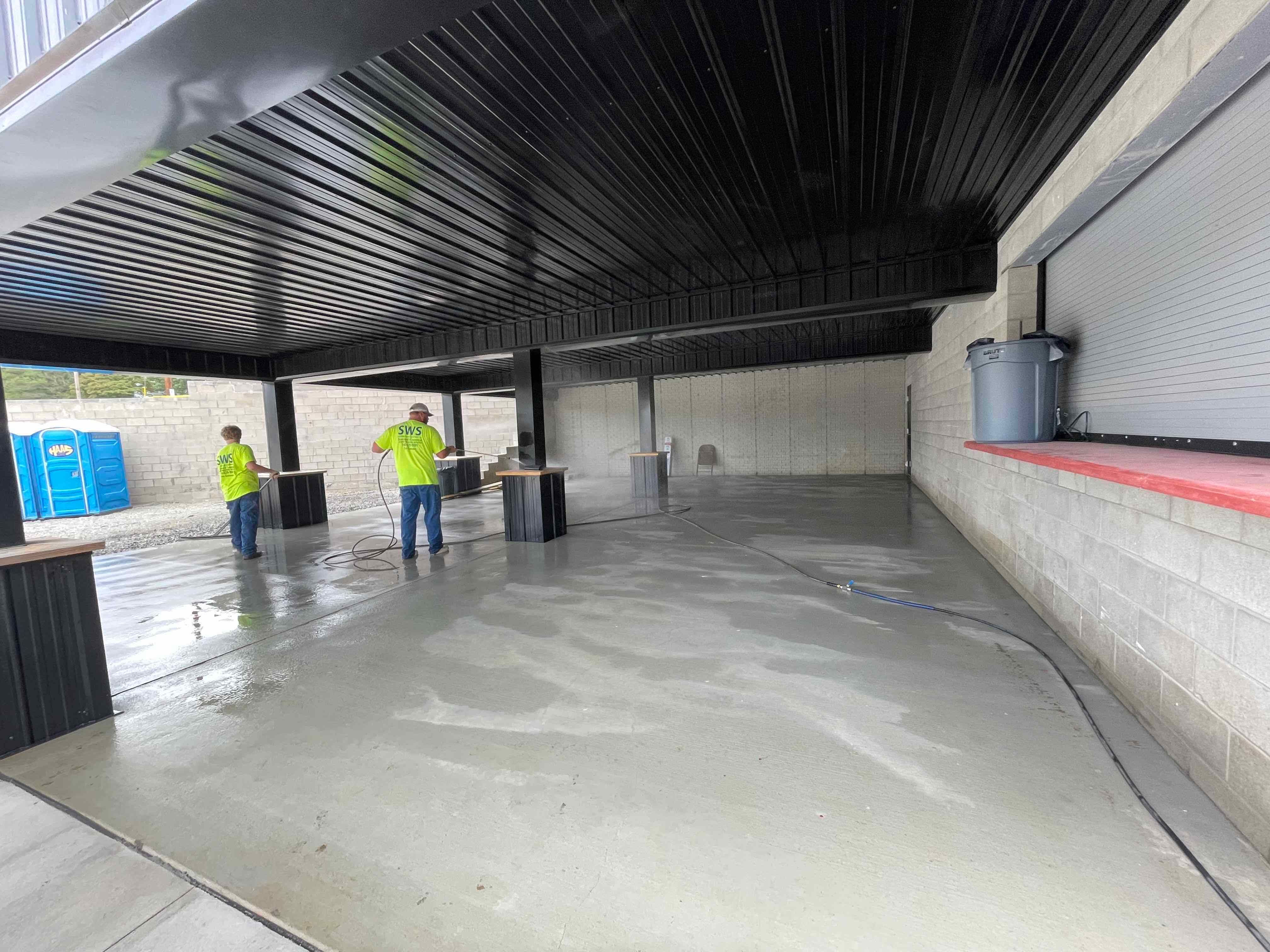
First, determine the scope of your power washing project. Different tasks require different power levels and types of equipment. For instance, residential cleaning projects, like washing driveways and sidewalks, might only need a light-duty pressure washer. These machines typically offer up to 2000 PSI (pounds per square inch), which is perfect for smaller jobs without causing surface damage. On the other hand, commercial properties might require heavy-duty equipment that can handle pressures of 3000 PSI and above to tackle stubborn dirt and grime on larger surfaces.
Understanding the type of surfaces you will be cleaning is another critical factor. For delicate surfaces, such as painted wood or siding, opting for a pressure washer with adjustable settings can prevent potential damage. A machine with variable pressure settings allows you to lower the pressure where necessary and increase it when facing tougher dirt patches. This adaptability is key in protecting surfaces while ensuring thorough cleaning.
The type of power source for your pressure washer—electric vs. gas—is another important consideration. Electric pressure washers are generally more suitable for small to medium jobs due to their quieter operation and ease of use. They are also typically lighter and more economical. However, for large-scale projects or commercial needs, gas-powered pressure washers offer more power and mobility, making them better for handling more challenging cleaning tasks and reaching more extensive areas.
No discussion of power washing efficiency would be complete without mentioning the significance of nozzles. The nozzle type greatly influences the pressure and surface coverage you get. A wide-angle nozzle, such as a 25-degree, is ideal for general cleaning, while a 15-degree nozzle can take care of tough areas. A zero-degree nozzle, which provides the highest concentration of pressure in a single line, should be used with caution to avoid potential surface damage.
Maintenance of your power washing equipment is also vital for longevity and consistent performance. Regularly inspect hoses, nozzles, and the power washer itself for any wear and tear. Ensuring your equipment is always in top condition will not only enhance efficiency but will also prevent unexpected downtime.
In summary, choosing the right power washing equipment involves a careful consideration of the project scope, surface type, power source, and the correct tips or nozzles. With the proper equipment, not only will you extend the life of the surfaces you clean, but you will also achieve a more effective and efficient clean, enhancing the overall appearance of any area. At Superior Water Solutions, we are committed to helping you find the best tools and techniques to meet your cleaning needs. Reach out to us for more guidance and assistance tailored to your specific requirements.
/filters:no_upscale()/filters:format(webp)/media/8a42ed75-fd82-4a4b-bf27-807281a3c74d.jpeg)